
 EN
EN



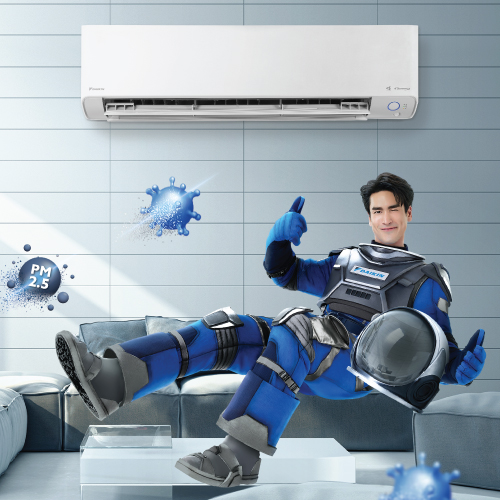





We refine every detail of temperature, humidity, purity, and flow,
creating air that not only cools, but uplifts
Because happiness begins with every breath.
That’s why we relentlessly pursue the science of air
And solve its challenges to bring perfect comfort to every moment.
PERFECTING THE AIR TOP
Through Perfecting the Air, Daikin strives to make the world’s spaces happier and more comfortable.
X
Search
Advanced Search
Products Search
News & Activity
Residential Product
AIR CREATOR
Room Air
Super Multi S
Air Purifier
Commercial Product
Sky Air
VRV
PACKAGED AIR
APPLIED PRODUCT
REFRIGERATION
ซื้อ AIR CREATOR
Daikin Discover
FUHA
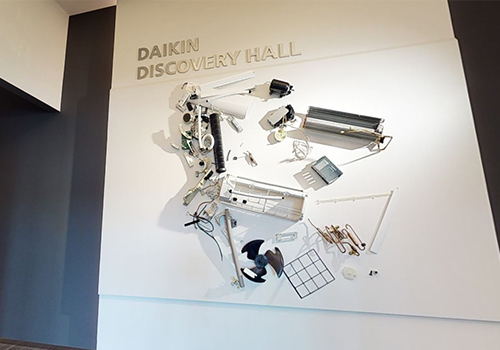
Daikin Discovery Hall
Daikin knowledge
Lab for Air Problems
Importance of Indoor Air
BTU CALCULATOR
PRODUCT COMPARE
ERROR CODE
FUHA
Operation Manual
Where to buy
Daikin Service
F.A.Q.
Service Policy
Warranty Policy
About Us
News & Activity
Introduction
True comfort is invisible
— felt only in the air around you.

The Importance of Indoor Air
We spend more than 80–90% of our time indoors, at home, in the office, or in
other
enclosed spaces. Every environment where we live, learn, and work is filled with
air
that directly affects our health, comfort, and productivity.
On average, each person breathes about 14,400 liters of air every day, making
indoor
air
quality one of the most essential yet often overlooked aspects of daily life.

The Challenge of Air Quality Control
Maintaining high-quality indoor air is not easy. Outdoor air entering buildings
is no
longer as clean as it once was, and unlike temperature or lighting, air quality
is
invisible and difficult to measure.
Finding the right balance between fresh air, comfort, and energy efficiency has
become a
constant challenge for building owners and facility managers.

Air Quality Problems
They come from both outdoor
and indoor sources.
Since people live and work indoors, maintaining good indoor air quality is essential. Outdoor air must be properly filtered, cleaned, and conditioned before entering to ensure a healthy and comfortable environment. Properly managed outdoor air helps achieve healthy Indoor Air Quality (IAQ) while minimizing the impact on energy efficiency. Without this process, air would simply leak in through building gaps, bringing excess heat, humidity, and pollution that compromise both comfort and energy performance.
Internal Problem

CO₂ accumulation indoors
Without sufficient ventilation, CO₂ levels can quickly rise in classrooms, offices, and childcare facilities, leading to fatigue, headaches, and reduced concentration.

VOCs, Formaldehyde
These are gases released from building materials, furniture, cleaning products, and even office equipment especially in a newly constructed building. In poorly ventilated spaces, VOCs can accumulate and cause headaches, dizziness, eye irritation, or long-term health effects.

Discomfort factors
Uncontrolled humidity not only leads to mold but also makes people feel sticky, sweaty, and uncomfortable, reducing the overall quality of life indoors.
Biological risks
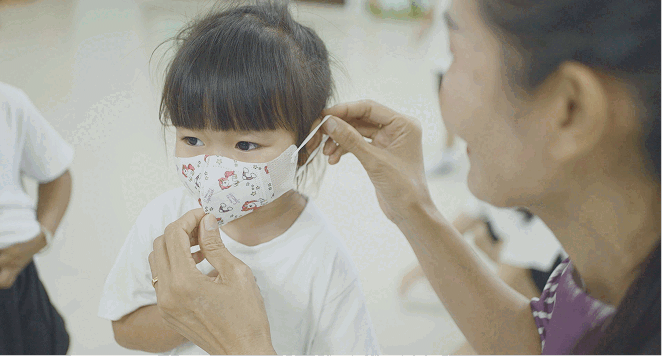
Viruses and bacteria can travel through poorly filtered air. Combined with high humidity, this creates conditions where mold can grow, triggering allergies, respiratory problems, and discomfort.
External Problem
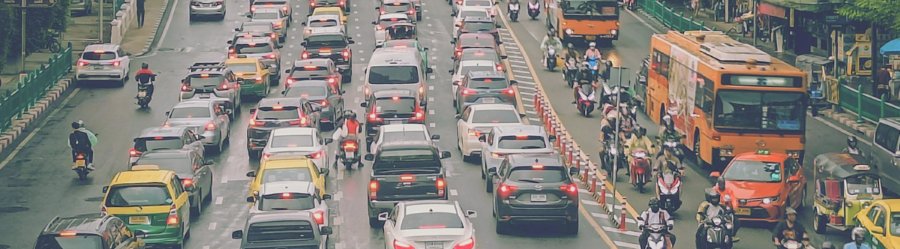
Outdoor pollution entering indoors
Bringing in fresh air is essential, but today’s outdoor air often carries particulate matter and traffic emission that can worsen indoor air quality instead of improving it.
Indoor Air Quality
and Indoor Environmental Quality
Indoor Air Quality (IAQ) and Indoor Environmental Quality (IEQ) are at the heart of
healthy
and productive living.
IAQ ensures that the air inside buildings is fresh, clean, and balanced—free from
excess
CO₂,
pollutants, and other gases.

IEQ goes beyond air cleanliness, combining thermal comfort, humidity, light and sound to create spaces where people can truly thrive.


At Daikin, we believe everyone deserves to live and
work
in environments
with high IAQ and IEQ. Guided by our vision “Perfecting the Air”
We are committed to delivering solutions that not only protect health and well-being but also improve energy efficiency. Through innovations like Outdoor Air Processing Units (OAPU) and Heat Reclaim Ventilator (HRV), Daikin supports buildings in achieving healthier, more sustainable, and more comfortable spaces for all.
Case Study


Problem
University classrooms are often packed with students for long hours. This leads to a rapid build-up of CO₂ and a lack of fresh air circulation. Poor ventilation reduces concentration, comfort, and learning efficiency.
Solutions
VAM (Ventilation Air Module)
Outdoor air is introduced and pre-conditioned through heat exchange.
This
helps
maintain
healthy CO₂ levels, ensures fresh air supply, and keeps the learning
environment
comfortable while reducing energy loss.


Problem
Rayong faces sea heat, coastal humidity, and airflows carrying pollutants from surrounding industrial zones. These conditions heighten children’s sensitivity to poor air quality, especially in closed classrooms with insufficient ventilation, increasing risks of illness and discomfort.
Solutions
OAPU (Outdoor Air Processing Unit)
It supplies treated fresh air at low temperature and low humidity to
maintain
positive
pressure, preventing outdoor pollutants from entering and ensuring
clean,
comfortable
indoor air.


Problem
Office workers spend 8–10 hours a day indoors. Poor ventilation leads to high CO₂, discomfort from humidity, and a higher risk of airborne infections. At the same time, uncontrolled outdoor air infiltration adds heat, dust, and energy costs.
Solutions
VKM (Ventilation Kit Module)
Office spaces demand both high indoor air quality and energy efficiency. By combining heat
reclaim
ventilation with a DX coil, VKM balances fresh air supply and energy
saving,
reducing
air-conditioning load while delivering clean, cool, and comfortable air
throughout
the
workspace.
These controlled ventilation and temperature management also
help
maintain
conditions aligned with the
ASHRAE 55 standard.
Solutions
Before we faced the indoor air problems in a General system

In an air-conditioned space with closed windows, viruses and CO2
will
accumulate, posing potential health risks.

Conversely, opening the windows provides natural ventilation to
release
these contaminants.
it sacrifices comfort by allowing in heat, humidity, and PM2.5 particulates, leading
to
high
temperatures.
A superior approach for both comfort and healthy air is implementing mechanical ventilation to manage contaminants and temperature effectively. Introducing ...
Daikin System Solutions
Ventilation Class 1

-
 Both air supply and exhaust are Mechanically Controlled
 -
 Supplies fresh air and gently dilutes indoor air for comfort.
 -
 Keeps the room Comfortable and Energy-Efficient
Product Solutions
Ventilation Air Module (VAM)

Ventilation Kit Module (VKM)

Ventilation Class 2

-
 Mechanical Supply, Natural Exhaust
 -
 Prevents Dirty Outdoor Air from entering
 -
 Keeps a Clean and Positive-Pressure environment
Product Solutions
Outdoor Air Processing Unit
(OAPU)
(OAPU)

Ventilation Air Module (VAM)

- Type :Heat Reclaim Ventilator
- Ventilation :Class 1 Supply fresh air and Exhaust air
Function
Brings outdoor air into the building while exchanging heat with the
cooler
exhaust air that is discharged outside. This process pre-cools the
incoming
air and prevents conditioned air from being wasted, helping to maintain
comfort and save energy.
Ventilation Kit Module (VKM)

- Type :Heat Reclaim Ventilator with DX-Coil
- Ventilation :Class 1 Supply fresh air and Exhaust air
Function
Treats outdoor air by cooling and dehumidifying before supplying it indoors.
In
addition to heat exchange with exhaust air, the system is equipped with a DX
coil that further cools and dehumidifies the incoming air, delivering
low-temperature and low-humidity fresh air. This reduces the load on the air
conditioning unit and saves energy, while improving indoor air quality with
fresh air at a controlled temperature and humidity.
Outdoor Air Processing Unit (OAPU)

- Type :Outdoor Air Processing Unit (OAPU)
- Ventilation :Class 2 Supply fresh air only
Function
Delivers conditioned outdoor air into indoor spaces as a supply-only system,
creating positive pressure that helps prevent dust and outdoor pollutants
from
entering. Suitable for high-risk or sensitive areas, the unit is equipped
with a
DX coil to provide low-temperature, low-humidity air for enhanced comfort
and
air quality.
Conclusion
Indoor environments today face the same recurring challenges:

rising CO₂ levels

outdoor pollution

VOCs

humidity
and mold growth
and mold growth

the spread of viruses
in crowded spaces.
in crowded spaces.
Uncontrolled air infiltration only worsens these problems by adding excess heat, dust, and moisture, while increasing energy consumption.
Our Product Solutions
Daikin provides comprehensive ventilation and air treatment solutions designed to address these issues. By carefully filtering, cleaning, and conditioning outdoor air before it enters the building, our systems ensure healthier indoor air quality, balanced humidity, and improved comfort. At the same time, energy efficiency is maintained, creating safe, sustainable, and productive environments for learning, working, and living.
What is ASHRAE 55?
ASHRAE Standard 55 is an international guideline that defines the environmental conditions required to achieve thermal comfort for most occupants in a building. Thermal comfort refers to a state in which people feel neither too hot nor too cold, allowing them to work, rest, and move comfortably indoors.
The standard evaluates comfort based on several factors, including:
- Air temperature
- Relative humidity
- Air movement
- Radiant temperature (heat from surrounding surfaces)
- Clothing level
- Metabolic rate (activity level)
ASHRAE 55 also introduces the concept of a comfort zone, which is a range of indoor conditions where the majority of occupants feel thermally comfortable. Maintaining conditions within this zone helps avoid unnecessary over-cooling or overheating, enhances occupant satisfaction, and supports more energy-efficient building operation.